
AI is not wiping out creative jobs; it is wiping out generic creative tasks. Everything interchangeable (a stock image, a format adaptation, a standard layout) is being automated. What relies on reality, the message and trust holds up, and even gains value. I started out as a photographer before becoming a presentation designer: this is not the first revolution I have lived through.
Before AI, there were stock image libraries
Today’s shock has a precedent. In the early 2000s, microstock libraries such as iStockphoto or Shutterstock brought the price of a stock photo down from several hundred euros to a few euros. Then, in the 2010s, free platforms such as Unsplash or Pexels made a large share of those images… free.
For many stock photographers, the business model collapsed. But the profession did not disappear: it moved towards what a stock library cannot offer, namely photographing your company, your teams, your event. Generative AI is replaying the same scenario today, faster and on a wider scale.
What is hit hardest
- Generic photography and illustration: the “team around a table” or “handshake” image is now generated in seconds.
- Simple retouching: cut-outs, clean-ups and background changes have become almost automatic.
- Adaptations: resizing a visual into ten formats or five languages.
- Standard layout: low-stakes documents and presentations that Copilot or Gamma produce on their own.
What is being transformed
- Photography: reportage, events, portraits and high-end product photography keep their full value, because they show what is real. AI becomes a post-production tool.
- Motion design and video: video generation opens new possibilities, but takes a trained eye to turn into something coherent.
- Brand design: AI speeds up exploration; the designer keeps the decisions and the consistency.
What resists best
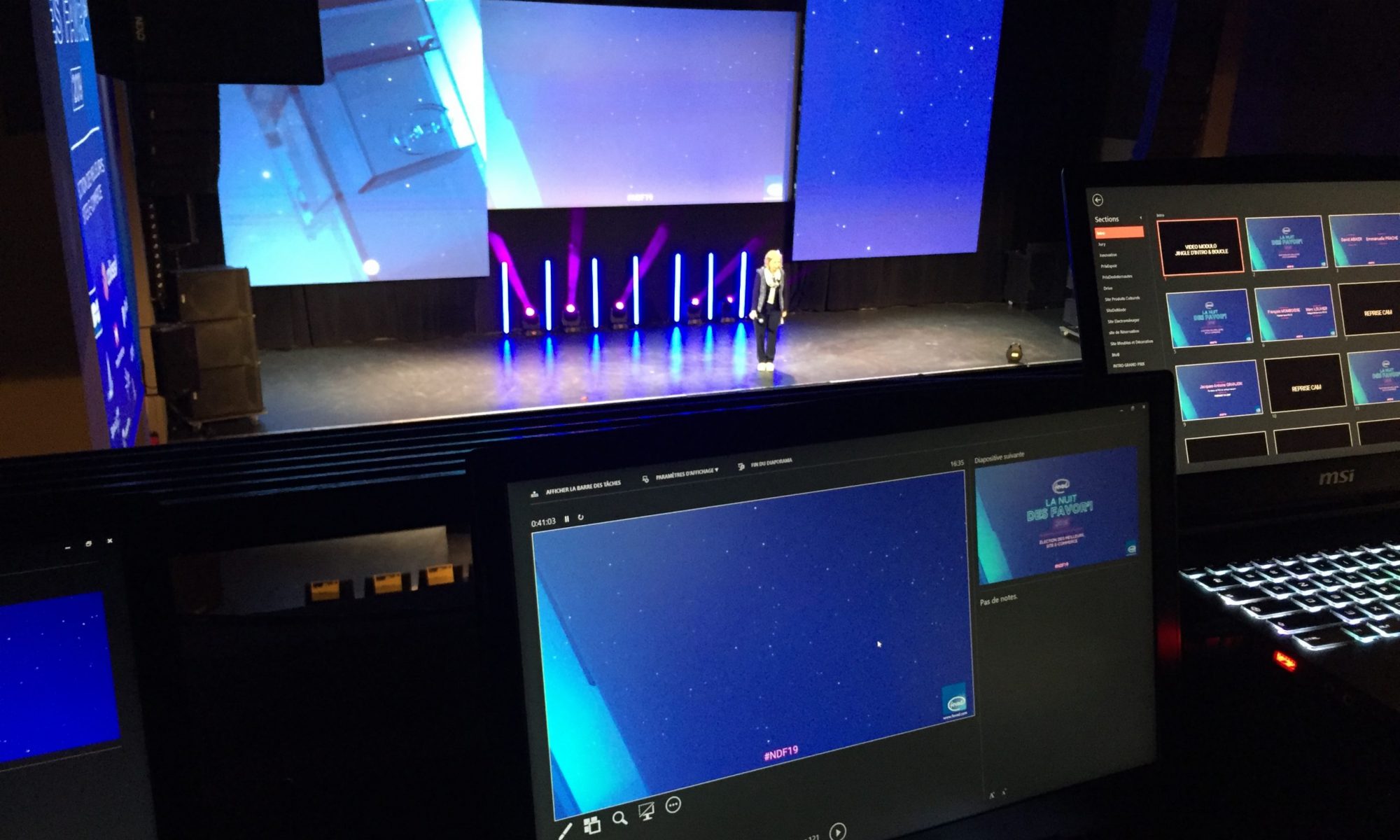
Jobs where value lies not in the image itself but in what it serves: art direction, advice, and presentation design for companies. A conference presentation, a pitch or a tender carries a message, a brand and often confidential stakes. It takes someone who understands the goal, makes choices, checks and stands by the result on the day.
A former photographer’s view
I lived through the shift from film to digital, then the arrival of stock libraries, then AI. Each time, the same lesson: what disappears is what was easy to reproduce. What remains is the eye, the craft and the relationship with the client. And the biggest lesson of all is never to rest on your laurels: question yourself, learn the new tools and keep your craft evolving. That is what took me from photography to presentation design, and then to AI. Today I use AI every day to produce faster and richer work, but I am always the one who decides what goes to the client.
Frequently asked questions
Which creative jobs are most threatened by AI?
Those producing generic, interchangeable content: generic stock photography and illustration, simple retouching, format adaptations, standard layout. These are the tasks generative AI automates most easily.
Will AI make photographers disappear?
No. Generic stock photography faces strong competition, but reportage, events, portraits and high-end product photography rely on reality, relationships and trust, which AI does not replace.
Which design jobs resist AI best?
Those where value lies in the message, advice and commitment to a result: art direction, brand identity, presentation and corporate material design, support on the day of an event.
See also: Will AI replace PowerPoint designers? and my PowerPoint designer services.